Playas del Coco and Playa Hermosa
The closest harbors for the Bat Islands, and local Papagayo dives. Catalina trips also run from here.
Big-animal Pacific diving, from the Gulf of Papagayo to Cocos Island.
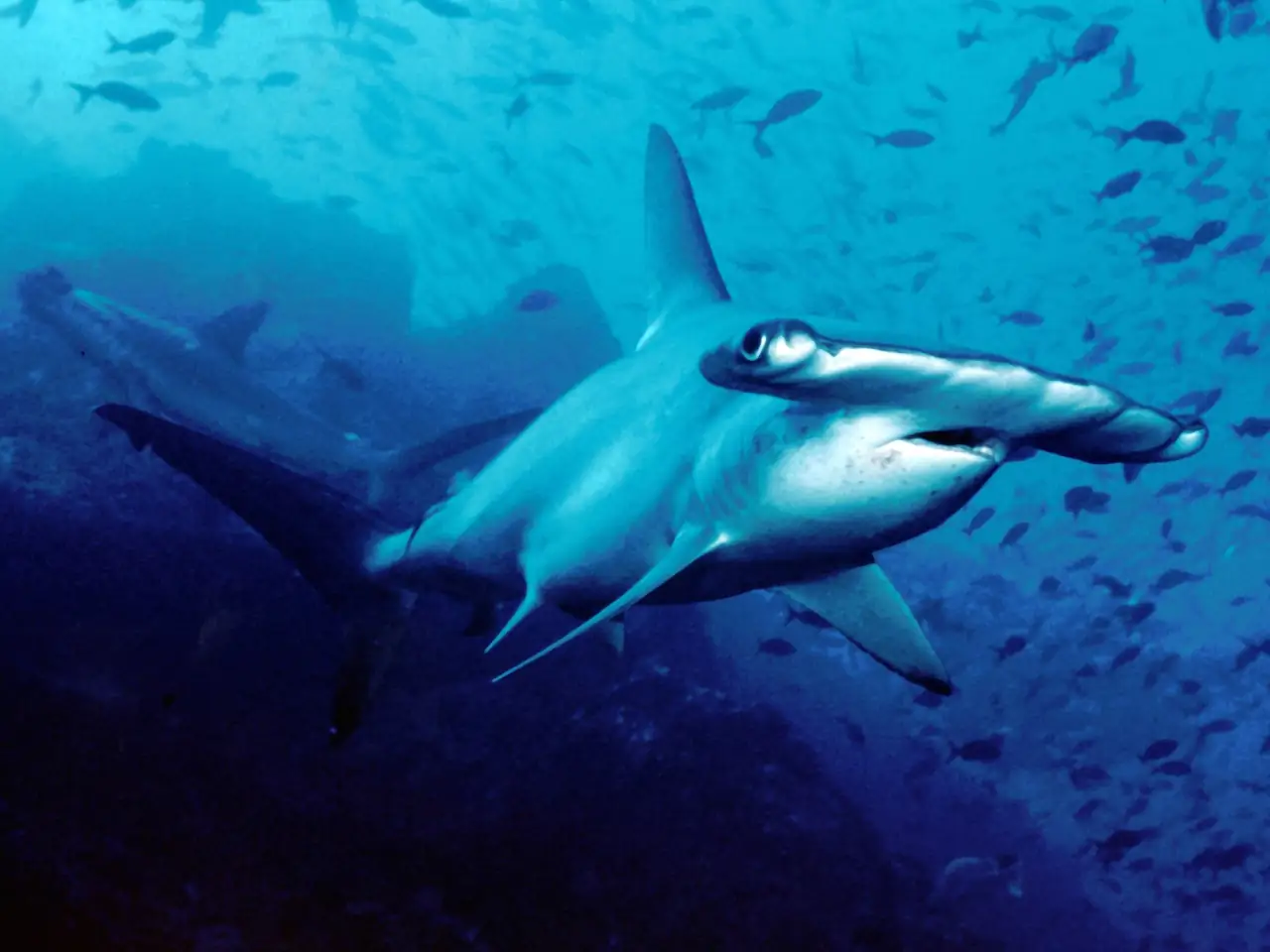
Costa Rica’s best-known diving is on its Pacific side, and it’s mostly about big animals and volcanic rock rather than coral gardens: rays, sharks and dense schools of fish around offshore islets and islands. Costa Rica’s tourism board points divers to Guanacaste, the Central Pacific, the South Pacific around Caño Island and Marino Ballena National Park, the southern Caribbean, and Cocos Island.
This is a destination feature rather than a lodge guide. We haven’t profiled a Costa Rica dive lodge yet, so instead of lodge booking buttons you’ll find the towns divers use as bases, and dive trips we could confirm are live.
Researched destination feature, not a firsthand review. Facts come from Costa Rica’s tourism board, UNESCO, reference sources and dive operators’ own pages, checked November 18, 2026. Where sources disagree, we say so. We don’t publish prices.
Guanacaste · North Pacific
The Catalina Islands are a chain of volcanic rocky islets off Guanacaste’s northwest coast. Dive centers reach them by boat from Playa Flamingo, Potrero, Tamarindo and Playas del Coco. One Flamingo operator counts more than 20 islets and 30-plus dive sites in the chain, and describes the boat ride as about 18 to 25 minutes. Another operator puts them about 30 minutes by boat from Playas del Coco.
Expect rocky underwater terrain rather than coral reef. Operators list spotted eagle rays and schooling rays, white-tip reef sharks, turtles, moray eels, octopus and big schools of jacks. The headline is the giant oceanic manta ray, which visits cleaning stations around the islands.
Operators don’t agree on the manta season. Most of those we checked put it in the cooler months, roughly December to April or May. One operator prefers May to mid-November, when it says visibility is better. All of them say sightings aren’t guaranteed. In the dry season, the Papagayo winds can make crossings rougher, and the water can be cooler, with thermoclines.
Closer to shore, dive shops in Playa Hermosa and Playas del Coco also run local two-tank trips in the Gulf of Papagayo, and one listing describes these sites as suitable for beginners. For manta timing and conditions in more depth, see the Catalina Islands manta season guide on ScubaCostaRica.com.
Santa Rosa National Park · North Pacific
The Bat Islands lie off northern Guanacaste, inside Santa Rosa National Park. The Murciélago archipelago and the surrounding waters were added to the protected Guanacaste Conservation Area in 1987. Boats run from Playas del Coco, Playa Hermosa and Tamarindo. One Playas del Coco operator describes the ride as about 45 minutes.
The draw is a site called the Big Scare, where divers wait near the bottom at roughly 20 to 30 meters as bull sharks cruise past. Operators stress that there’s no cage and no bait. Trips usually add a shallower second or third dive, such as Black Rock, with schools of fish, eagle rays and turtles.
This is a seasonal trip. Operators put the bull shark season at roughly May to September, October or November, and one gives July and August as the peak months. Most say boats don’t run, or run unreliably, in the windy dry season from about December to April.
Every operator we checked requires Advanced Open Water certification or equivalent deep-diving training, because the dives are deep and in current. Some also require recent dives, dive insurance or a prior local dive with them, and national park fees are usually extra. Confirm the requirements when you book.
Osa Peninsula · South Pacific
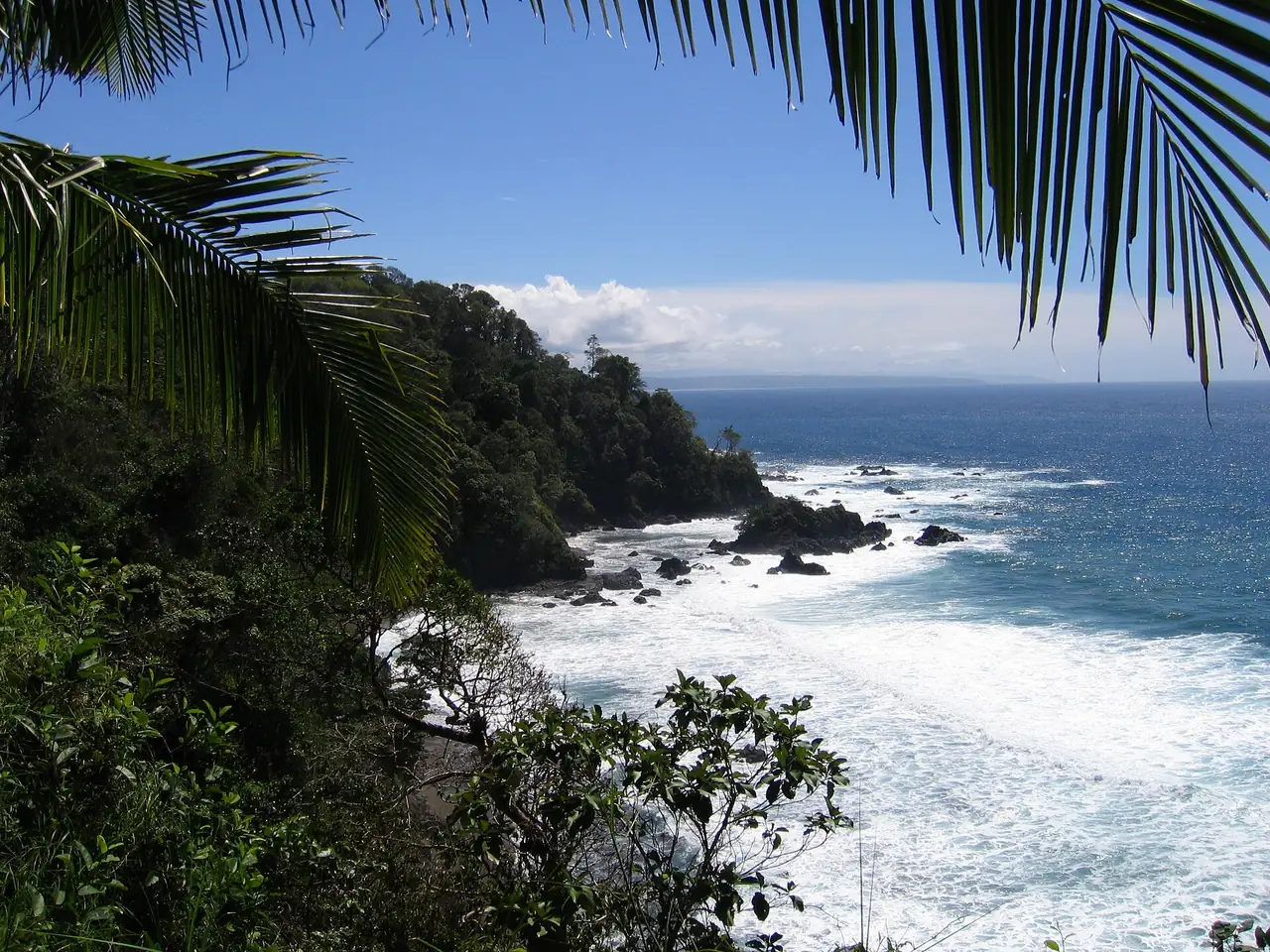
Caño Island is a small island about 16 km off the Osa Peninsula. It is a biological reserve managed under the Osa Conservation Area, with a permanent ranger station, and the protected area includes about 52 km² of surrounding sea. Costa Rica’s tourism board calls it the South Pacific’s most representative dive site.
The closest base is Drake Bay, about 45 minutes away by boat. Operators in Uvita also run trips, but the crossing takes around 1 to 1.5 hours. Visits are by guided tour only, numbers are capped in each scuba zone, and fishing is banned, so popular dates can sell out.
Most of the public dive sites are on the island’s more sheltered north side. Beginner-friendly sites such as El Ancla sit alongside Bajo del Diablo (Devil’s Pinnacle), a pinnacle a short way off the island that operators reserve for more experienced divers because of its stronger currents and deeper profile. Operators mention white-tip reef sharks, turtles, large schools of jacks and barracuda, and, on some days, rays.
Seas are generally calmer and visibility better in the dry season, from about December to April. Operators’ certified-diver trips require at least Open Water certification, so bring your card. For the wider region, see ScubaCostaRica.com’s Drake Bay and Caño Island area guide.
Eastern Tropical Pacific · liveaboard only
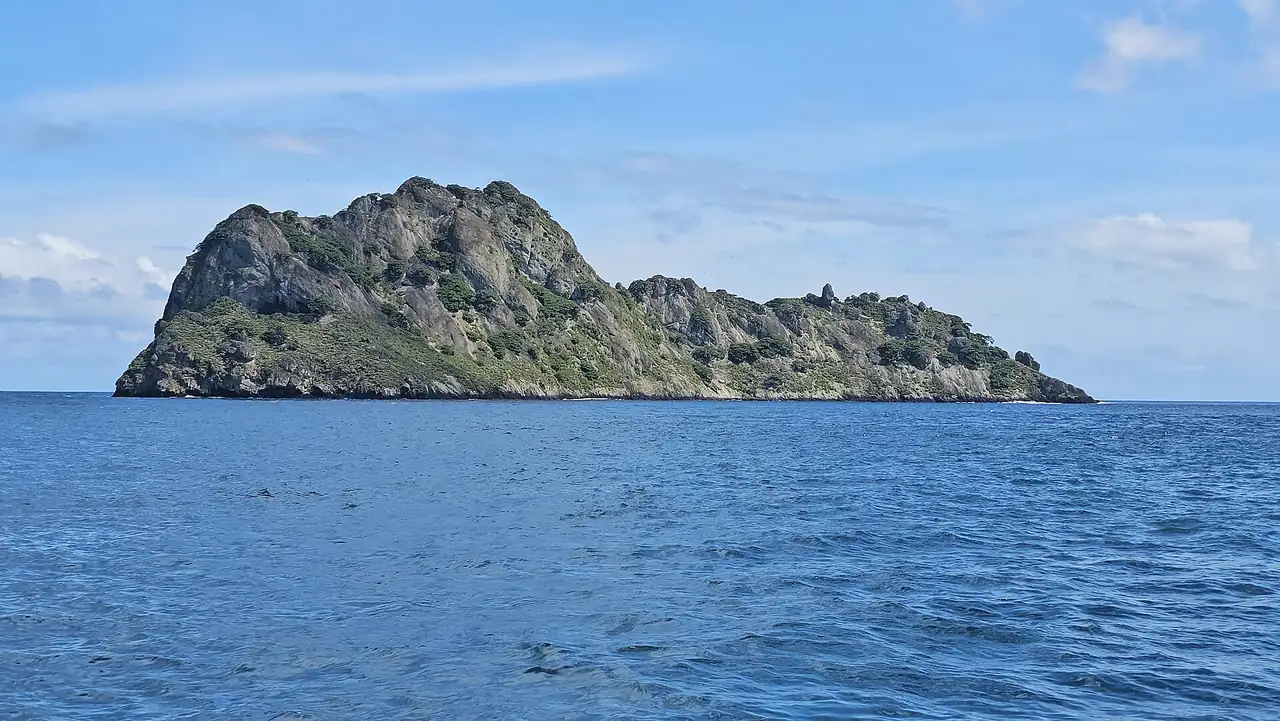
Cocos Island sits about 530 to 550 km off Costa Rica’s Pacific coast. It was made a national park in 1978 and a UNESCO World Heritage Site in 1997, with its boundaries extended in 2002. UNESCO describes it as the only island in the tropical eastern Pacific with tropical rainforest, and as one of the region’s most important sites for large migratory sharks, including the endangered scalloped hammerhead and the silky and Galápagos sharks.
UNESCO notes that human presence on the island is limited to rotating conservation staff, visiting scientists and tourists, and divers visit by liveaboard from Puntarenas. Operators give the crossing as about 32 to 36 hours each way. Aggressor runs 10-night itineraries, and Undersea Hunter runs 11- and 14-day expeditions. Aggressor asks guests to arrive in San José at least a day before departure, because missing the bus means missing the trip.
Cocos is an advanced destination with open-ocean conditions and strong currents. Undersea Hunter requires Advanced Open Water plus Nitrox (or Open Water plus Deep Diver and Nitrox) and recommends at least 50 logged dives. Aggressor requires dive-accident insurance and asks for guest details at least 14 days before departure so the park can issue entry permits. Aggressor’s itinerary doesn’t include night dives.
If you’re weighing a liveaboard, this Cocos Island liveaboard planning guide covers trip length and hammerhead timing in more detail. We couldn’t verify a single best season for Cocos from operator pages, so ask the liveaboard which months suit the animals you most want to see.
Central Pacific · South Pacific · Caribbean
Costa Rica’s tourism board also highlights the Central Pacific, with rock formations and underwater caves around Manuel Antonio National Park, Cathedral Point, Puerto Escondido and the Mogote and Olocuita islands. In the South Pacific, Marino Ballena National Park protects a range of coral species and is known for humpback whale migrations. On the southern Caribbean coast, Cahuita National Park and the Gandoca-Manzanillo Wildlife Refuge protect coral reef.
The tourism board also notes that diving in Costa Rica is regulated under its Adventure Tourism Regulation, and that courses are offered under PADI, NAUI, SSI and other agencies.
| Area | Main draw | When (per operators) |
|---|---|---|
| Catalina Islands | Giant manta rays | Most operators: about December to April or May. One operator: May to mid-November. |
| Bat Islands | Bull sharks | About May to September–November; one operator gives July and August as the peak. Trips are limited or don’t run in the dry season. |
| Caño Island | Calmer seas and better visibility | About December to April (dry season). |
| Cocos Island | Hammerheads and other sharks | Not verified. Ask the liveaboard operator. |
Seasons are what dive operators publish, not a guarantee. Wildlife sightings vary from year to year.
We haven’t profiled a Costa Rica dive lodge yet, so there are no lodge booking buttons here. The Agoda links below search each town, checked on November 18, 2026 as returning live results. Results include non-dive hotels and rentals, so check the distance to your dive shop.
The closest harbors for the Bat Islands, and local Papagayo dives. Catalina trips also run from here.
Short boat rides to the Catalina Islands. Tamarindo shops also run Bat Islands days.
The closest base for Caño Island, about 45 minutes by boat, but remote: reached by small plane, or by road to Sierpe and then boat.
Longer crossings to Caño Island, plus Marino Ballena National Park on the doorstep.
Cocos liveaboards leave from Puntarenas. Aggressor guests overnight in San José before the transfer.
Viator listings checked as active on November 18, 2026. We found no GetYourGuide Costa Rica dive listings that loaded as live activity pages, so none are linked. Check prices, requirements and cancellation terms on each listing.
Viator · 5 hours
Listing includes:
Departs from Playa Flamingo.
Viator · 7 hours
Listing includes:
Departs from Tamarindo. Certified divers only.
Viator · 4 hours
Listing includes:
Local Gulf of Papagayo dives from Playa Hermosa. The listing says Bat Islands trips need Advanced certification, with park fees extra.
Viator · 10.5 hours
Listing includes:
Bat Islands bull shark day from Tamarindo. The listing requires Advanced certification (30 m) or a deep-dive upgrade.
Viator · 6 hours
Listing includes:
Departs from Drake Bay. Certified divers only.
Want more on diving in Costa Rica? ScubaCostaRica.com covers the country’s dive areas in more depth. On DivingLodge, compare remote-island trips on our dive interests page, or browse all diving destinations.
We checked these pages for this feature:
Disclosure: partner links (Agoda, GetYourGuide, Viator) may earn us a commission at no extra cost to you. Learn more.